Compare Local Contractors for Plumbing Relocation Projects
Compare local contractors for plumbing relocation to define project scope, verify experience, and set clear expectations in writing for a successful outcome.
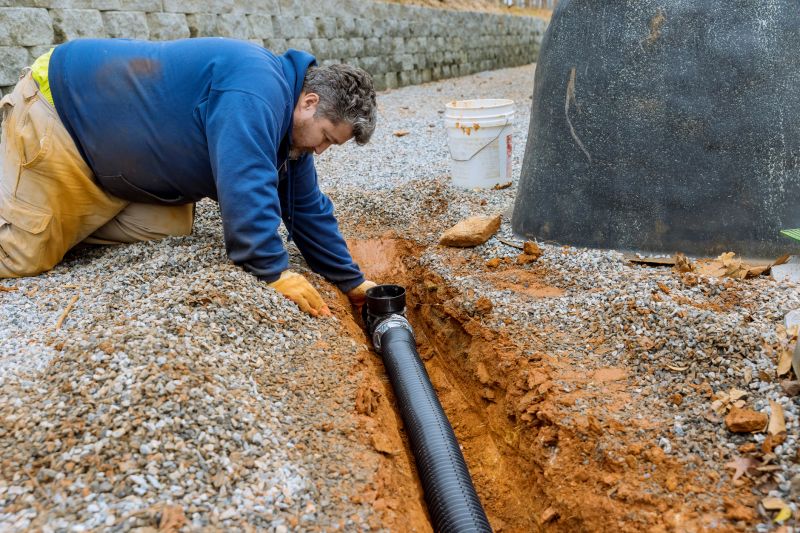
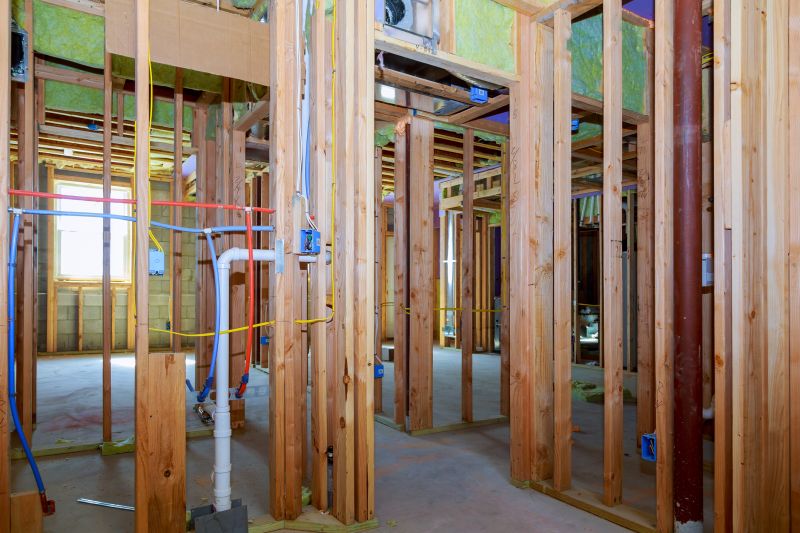
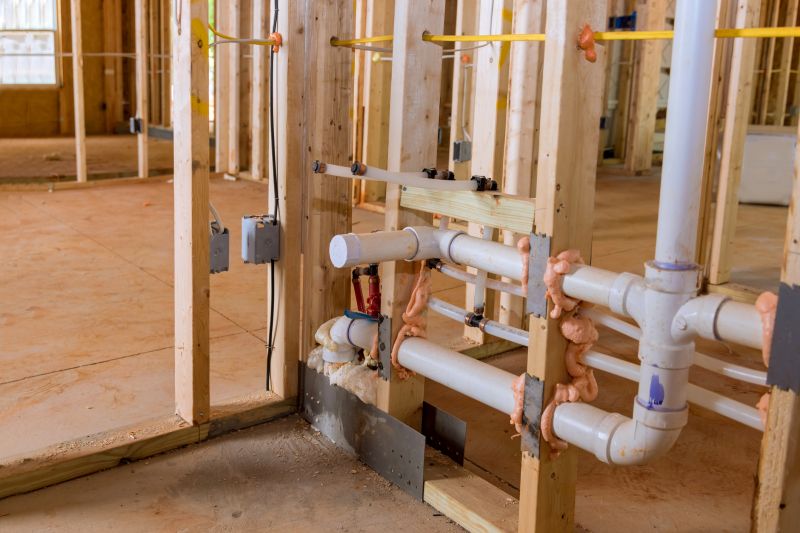
Plumbing relocation projects typically involve rerouting or repositioning existing plumbing lines within a property to accommodate renovations, expansions, or changes in layout. This work can include moving water supply lines, drainpipes, and vent stacks to new locations, often requiring careful planning to ensure proper function and compliance with building standards. Contractors may also handle related tasks such as disconnecting and reconnecting fixtures, ensuring new pipe runs are properly secured, and testing the system for leaks or issues before completing the job.
Defining the scope of a plumbing relocation is essential to avoid misunderstandings and ensure the project meets specific needs. Clearly outlining which parts of the plumbing system will be moved, the extent of the work involved, and any necessary adjustments to fixtures or appliances helps set realistic expectations. A detailed scope also provides a basis for comparing different service providers, allowing property owners to evaluate how each contractor plans to approach the work and whether their proposed solutions align with the project’s requirements.
When choosing a local contractor for plumbing relocation, property owners should consider how to effectively compare options. Verifying each contractor’s experience with similar projects can provide insight into their familiarity with the scope and complexity involved. It’s also helpful to review their process for defining and documenting the scope of work, as well as how they communicate expectations and deliverables in writing. Gathering information about their approach to planning, coordination, and ensuring quality can aid in making an informed decision and selecting a service provider capable of handling the job to the desired standards.
Compare local contractors' experience, clarify project scope, and set clear expectations in writing to ensure a smooth plumbing relocation.
- Define Project Scope - clearly outline the specific plumbing relocation tasks to ensure mutual understanding with service providers.
- Verify Experience - check that local contractors have relevant background in plumbing relocation projects.
- Compare Service Providers - evaluate multiple local contractors based on expertise, reputation, and scope of work.
- Document Expectations - put all project details, responsibilities, and agreements in writing before work begins.

Clearly describe your plumbing relocation project first, then compare local contractors’ experience and written scope.
- Verify experience and expertise in plumbing relocation projects to ensure proper handling of the job. - Ensure service providers can clearly define the scope of work and outline the specific tasks involved.
- Compare credentials and references to assess the reliability and quality of local contractors. - Confirm that contractors have a proven track record with similar plumbing relocation projects.
- Review written estimates that specify the scope of work, materials, and responsibilities to set clear expectations. - Look for detailed documentation that outlines all aspects of the project to prevent misunderstandings.
- Discuss potential challenges or complications that may arise during the relocation process with the service providers. - Open communication about potential issues helps to plan and avoid surprises later.
- Check that the scope of work includes site preparation, plumbing rerouting, and post-installation testing. - Make sure all necessary tasks are covered to ensure a comprehensive approach to the relocation.
- Ensure that the service provider understands local building codes and permits relevant to plumbing work. - Confirm that all work will meet local standards and regulations for safety and compliance.
Compare local contractors’ experience and clarify project scope to ensure smooth plumbing relocation.

Use consistent comparison criteria across local contractors to clearly define scope, verify experience, and set expectations in writing.
- Project Scope Definition - Clearly outline the specific areas and extent of the plumbing relocation to ensure understanding among all parties.
- Material and Fixture Details - Specify the types of pipes, fittings, and fixtures to be used in the relocation process.
- Existing System Assessment - Evaluate the current plumbing layout and identify any potential challenges or modifications needed.
- Work Process and Phases - Define the steps involved in the relocation, including demolition, installation, and testing procedures.
- Responsibility and Scope Boundaries - Establish what tasks are included and excluded to prevent scope creep and ensure clarity with local contractors.
When evaluating contractors for plumbing relocation projects, it’s important to consider their experience with similar types of work. Homeowners should seek service providers who have a proven track record of completing plumbing relocations in environments comparable to their own, whether that involves residential, commercial, or multi-unit buildings. Asking about past projects can help determine if a contractor has the necessary hands-on knowledge to handle specific challenges that may arise during the job, such as working within tight spaces or navigating existing infrastructure.
A clear, written scope of work is essential when comparing contractors. This document should outline each phase of the project, including specific tasks, materials to be used, and the expected outcomes. A detailed scope helps prevent misunderstandings and ensures that all parties have aligned expectations. Homeowners should review these documents carefully, looking for clarity and completeness, to assess whether the contractor’s proposed approach aligns with their needs and project goals.
Verification of a contractor’s experience can be supported by requesting references or examples of previous work. While formal licensing and certifications are not the focus here, understanding a provider’s background and the complexity of the projects they have completed offers valuable insight. Homeowners can also inquire about how the contractor plans to handle unforeseen issues or changes in scope, ensuring that the service provider has a practical approach to problem-solving and project management.
When comparing options, it’s helpful to evaluate how each contractor communicates and documents their plan. A well-organized proposal that clearly defines the scope, methods, and responsibilities demonstrates professionalism and transparency. Homeowners should consider how thoroughly each service provider explains their approach and whether they provide written documentation of the agreed-upon scope. This approach helps set clear expectations and provides a reference point throughout the project, making it easier to track progress and address any concerns that may arise later.
Ask contractors to provide written scope of work details to ensure clarity and consistent project expectations.
- Experience with Plumbing Relocation - What relevant projects or types of plumbing relocation work have the contractors completed?
- Scope of Services - How do the contractors define and document the specific tasks included in the plumbing relocation?
- Comparison of Approaches - What methods or techniques do different local contractors plan to use for the relocation?
- Work Guarantees and Warranties - Are the scope and expectations clearly outlined in writing, including any warranties or follow-up services?
- Communication and Clarification - How do contractors ensure understanding of project details and scope before starting the work?
What should I consider when choosing a contractor for plumbing relocation? It's important to compare the experience, reputation, and scope of services offered by different local contractors to ensure they can meet the specific requirements of the project.
How can I verify a contractor's experience with plumbing relocation projects? You can review their previous work, ask for references, and check their history with similar projects to assess their expertise and reliability.
What details should be included in a written scope of work for plumbing relocation? The scope should clearly define the work to be done, materials to be used, project milestones, and any specific expectations to help prevent misunderstandings.
How do I compare different contractors for plumbing relocation services? Consider their experience, the clarity of their proposals, reviews or references, and how well they understand your project's specific needs.
Why is it important to have a detailed written agreement with a contractor? A written agreement helps set clear expectations, defines the scope of work, and provides a reference point for project details to avoid potential disputes.
What questions should I ask a contractor before hiring for plumbing relocation? Ask about their experience with similar projects, how they plan to approach your specific needs, and how they handle project scope and change orders.
By understanding the key steps involved in plumbing relocation projects-such as defining the scope, verifying experience, and setting clear expectations in writing-visitors can better navigate the process of choosing the right service providers. Comparing local contractors through a straightforward quote form allows for an informed selection based on the options available in the area, helping to identify experienced professionals suited to the specific needs of the job.
Utilizing a quote form to compare different local contractors streamlines the process of connecting with service providers capable of handling plumbing relocations. This approach enables visitors to evaluate their options efficiently and confidently, ensuring they can find local professionals who meet the project requirements without the need for commitments or assumptions.